
What are you looking for?

News

Happy birthday, FriEnt! Celebrating 25 years – reflections on the past, looking ahead  

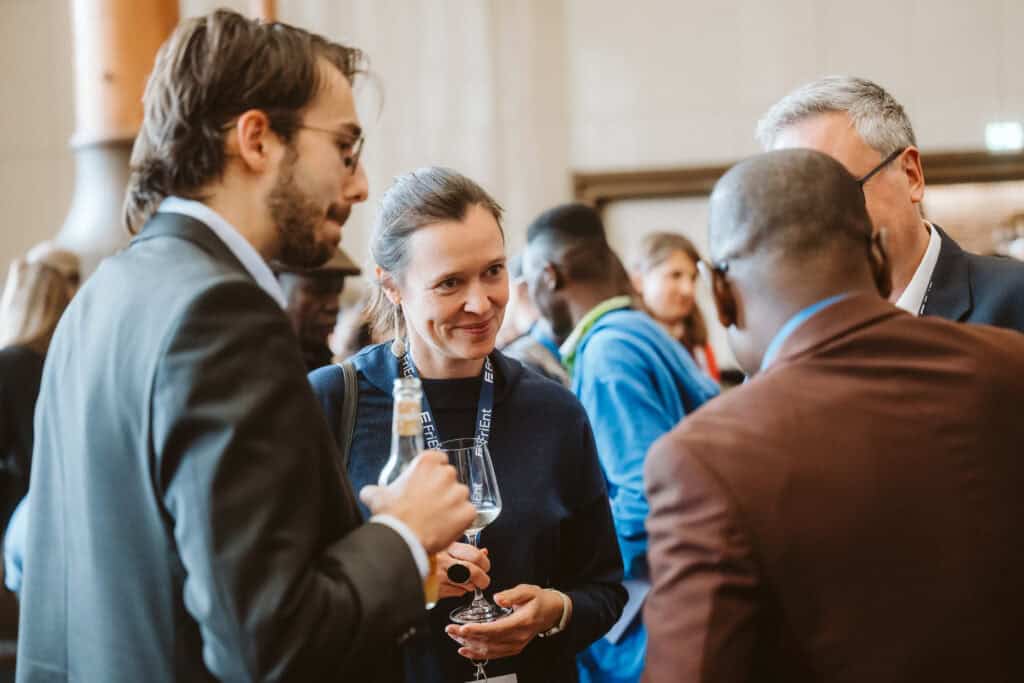
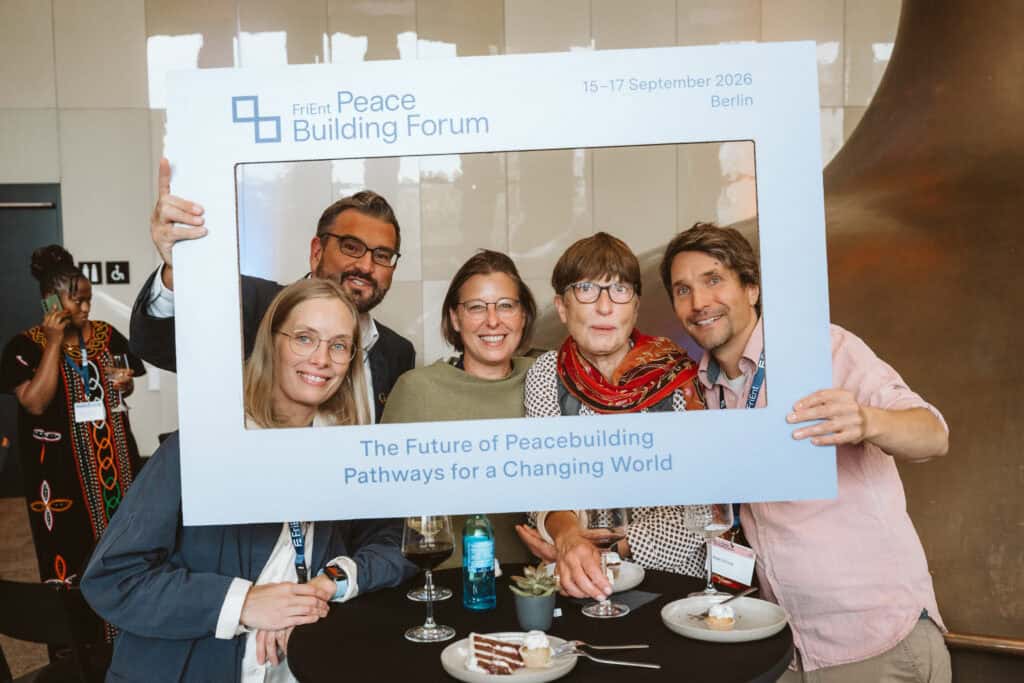
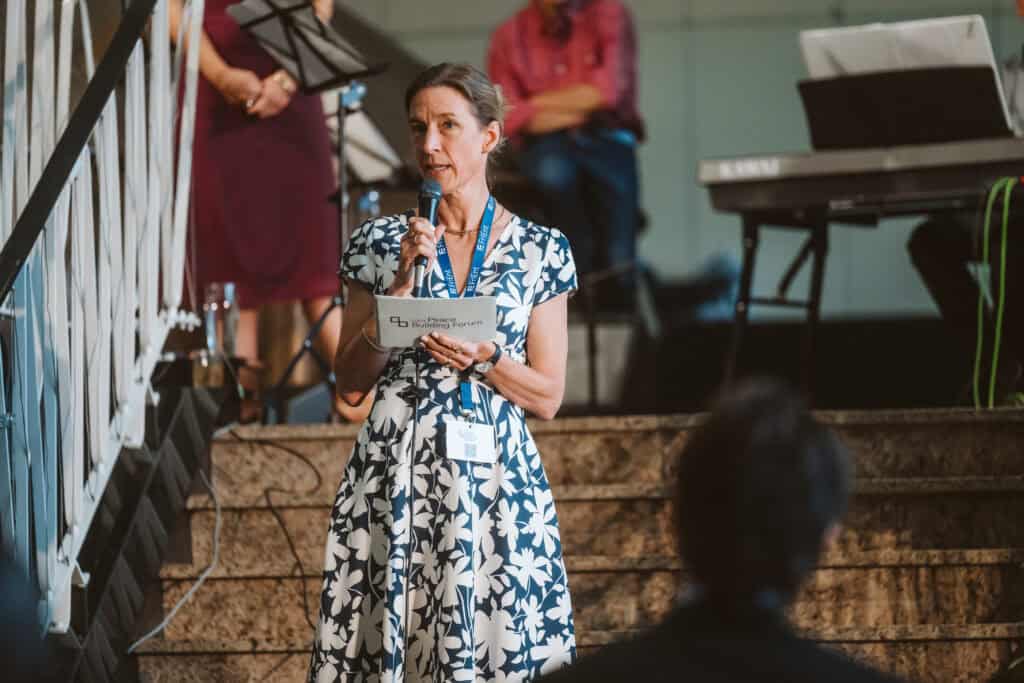
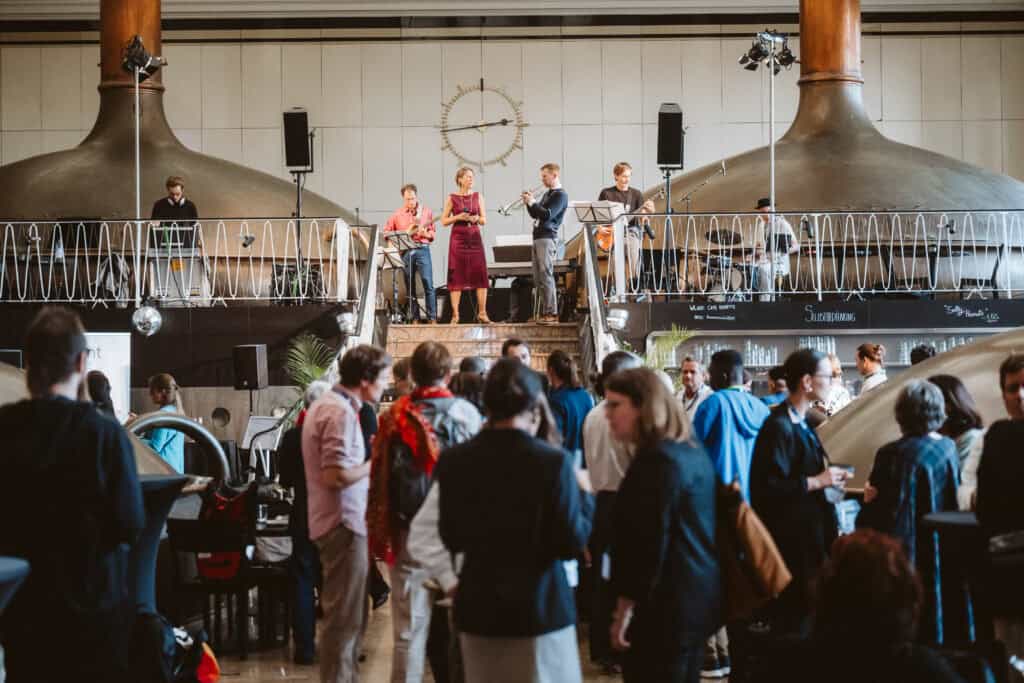
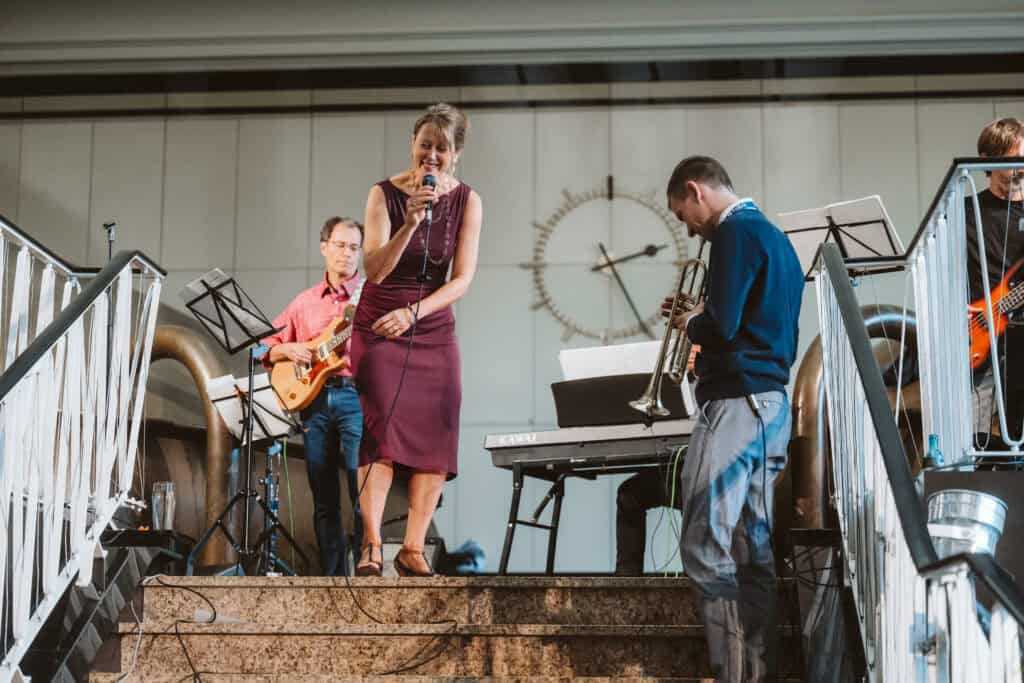
FriEnt celebrated its 25th anniversary on 16 September in the framework of the FriEnt Peacebuilding Forum 2026 in Berlin, together with members, partners and long-standing companions. The evening highlighted FriEnt’s founding spirit of bringing different actors together for peace and development, and the importance of standing up for peacebuilding in times of growing conflict and shrinking support.
Photo: Kauffmann Studios

In her address, Dorothee Klüppel, member of the FriEnt Steering Committee, recalled how it all began. FriEnt was founded in 2001, a year of profound global shifts. The hoped-for peace dividend after the Cold War had failed to materialise, the international community was still deeply shaken by Srebrenica and Rwanda, and 9/11 reshaped the global security landscape almost overnight. Civil society networks, churches, political foundations and researchers were already discussing how to strengthen Germany’s peace infrastructure. Their engagement with the Federal Development Minister at the time, Heidemarie Wieczorek-Zeul, led to a collaborative response: the Working Group on Peace and Development, or FriEnt for short.

To this day, FriEnt remains the only working group of its kind in Germany that brings state and non-state actors together. 

Over the past 25 years, FriEnt has helped establish the understanding that peace and development are two sides of the same coin. This understanding has shaped development policy as well as how programmes are implemented on the ground. What makes the network distinctive is who sits at the table: state actors and civil society, including church actors, as equals, willing to learn from and challenge each other. From early on, FriEnt has developed its perspectives together with partners from the so-called Global South, who help set the agenda as partners, not as guests. 

The anniversary also comes at a sobering moment. There are more conflicts worldwide than at any time since the end of the Cold War, alongside the climate crisis, growing militarisation, shrinking funding for peace and development, shrinking civic space, and a rise in authoritarianism and right-wing politics, including in Germany.” 

Yet above all, it was an evening of hope, understood not as a feeling but as a shared commitment to solidarity and action. With a toast, a birthday cake and many conversations, participants celebrated 25 years of FriEnt and all the people who have carried the network, both past and present.
References
Share
Author
Get in touch
Do you have questions about this article, or would you like to contact the FriEnt team?

Related articles

[tag_names_card]

From participation to influence: Why youth leadership matters for peacebuilding 

Young people are not merely stakeholders in peace and security processes – they are key actors in shaping them. In this interview, Hanna Tadesse and Enya Echeng, both chairpersons of the African Youth for Transitional Justice (AY4TJ), discuss how youth movements can influence political decisions, why young people need a meaningful role in decision-making structures, and what donors and institutions must do to strengthen youth-led peacebuilding. Drawing on experiences from Ethiopia and Nigeria, they explore how youth leadership can contribute to transitional justice and sustainable peace.
[tag_names_card]

New FriEnt Website: Peace and development at a glance

The Working Group on Peace and Development (FriEnt) has completely revamped its website. With a clear thematic structure, simplified navigation and a modern, accessible design, the network’s work is now even more visible and easier to explore – for experts and anyone interested in peace and development alike. As before, the website is available in both German and English.
[tag_names_card]

Climate finance in conflict-affected contexts: Strengthening local perspectives and appropriate financing

The climate crisis does not stop at conflict or fragility. But how can climate action be financed under difficult political and social conditions? This question was at the heart of the event “Climate Action in Conflict: Learning from Local Leadership”, held as part of the Berlin Climate and Security Conference (BCSC), which we organised jointly with the German Chapter of the Environment, Climate, Conflict and Peace Community of Practice (ECCP).
[tag_names_card]

Berlin Peace Dialogue 2026: Strategic partnerships for peace in a multipolar world 

How can strategic partnerships strengthen peace in a multipolar world? This question brought policymakers, peacebuilding practitioners and international experts together at the Berlin Peace Dialogue 2026, which took place on 8 October. Organised by the Advisory Board to the German Federal Government for Civilian Crisis Prevention and Peacebuilding, the dialogue was hosted by the Federal Foreign Office.

Related articles