What are you looking for?

Feminist Peacebuilding

We strengthen marginalised groups and promote feminist, just and sustainable approaches to peace.

What this area covers

Conflicts exacerbate existing inequalities and affect people in different ways. Women, young people, and marginalized groups are often disproportionately affected by violence, displacement, and social exclusion. As a result, they often have limited access to political decision-making processes and peace negotiations. Where perspectives are systematically excluded, inequalities persist rather than being overcome. Lasting peace therefore requires dismantling structural discrimination and unequal power relations.

As authoritarian and anti-feminist trends are increasing around the world, human rights and democratic values are coming under pressure. At the same time, international agendas such as “Women, Peace and Security” (WPS) and “Youth, Peace and Security” (YPS) are being implemented inadequately. This makes it particularly difficult for women and young people from civil society in the so-called Global South to access political debates and decision-making processes. Yet their perspectives and participation are crucial for more equitable solutions and more resilient democratic structures.

Together with partners, particularly from the so-called Global South, FriEnt supports political processes and strengthens the international exchange of experience and expertise. To this end, we create safe spaces for dialogue and joint learning, facilitate controversial debates, and use concrete examples from practice to demonstrate how feminist peacebuilding can succeed. Through advisory services, events, and publications, we also support the implementation of the Youth, Peace and Security (YPS) and Women, Peace and Security (WPS) agendas and bring feminist perspectives into political decision-making processes.

Feminist peacebuilding challenges existing power structures and strengthens the participation of people who are particularly affected by conflict. It combines prevention, civilian conflict transformation, and intersectional perspectives that take into account the interplay of different forms of inequality and discrimination. The aim is to overcome the root causes of violence and exclusion in the long term. This approach puts human security, dialogue, and the dismantling of structural inequalities at the centre, rather than viewing security primarily through a military lens.

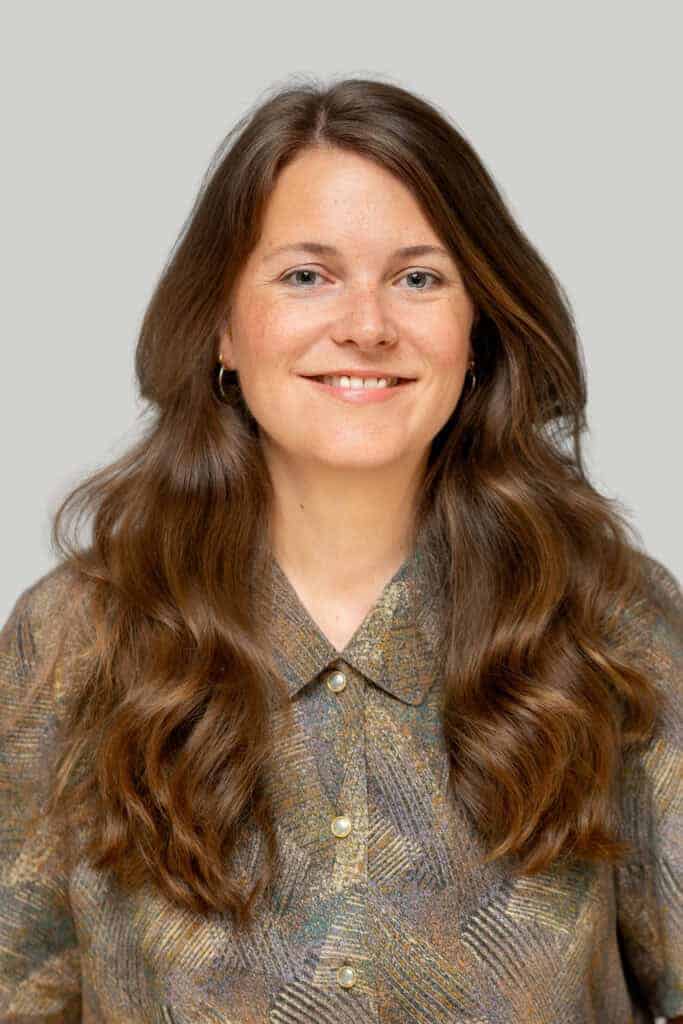
Mona Hein

What our members say

Related publications

Naturalizing inequality

How anti-feminism fuels authoritarian movements

Geopolitical Change: What Europe Must Learn from Munich and New Delhi

Two international conferences, two very different perspectives

Lorem ipsum dolor sit amet

Two international conferences, two very different perspectives

Video

You are currently viewing a placeholder content from YouTube. To access the actual content, click the button below. Please note that doing so will share data with third-party providers.

More Information

Stay informed

Follow us on social media

Follow us on social media and keep up with our work, projects and news.
You can find our official channels here:

LinkedIn

Connect with our community

Instagram

Follow us for the latest insights

Join the conversation
Share your perspective, ask questions and exchange ideas with us and our community.

Stay connected

Get updates on peace & development directly to your inbox. FriEnt’s newsletter covers new publications, upcoming events, and policy developments — delivered regularly to practitioners, policymakers and engaged citizens.
Newsletter