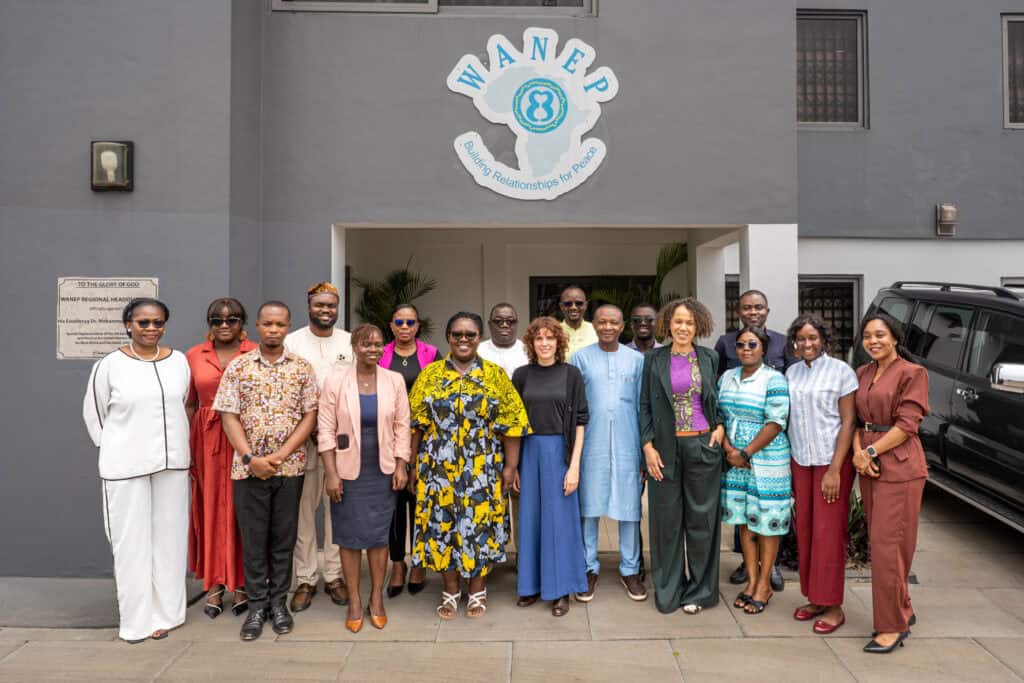
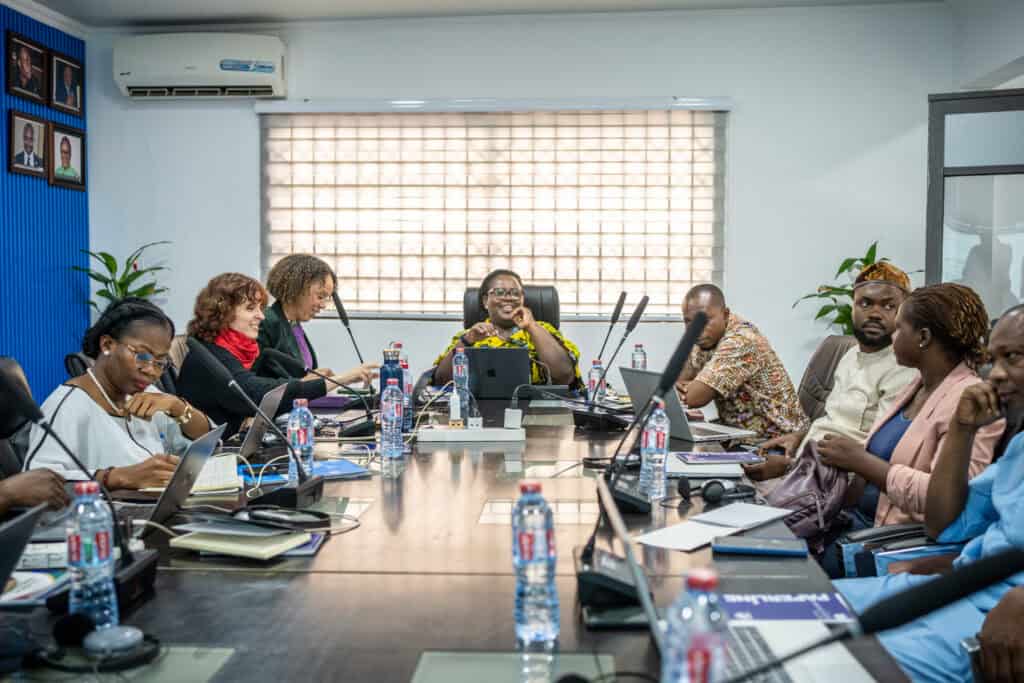
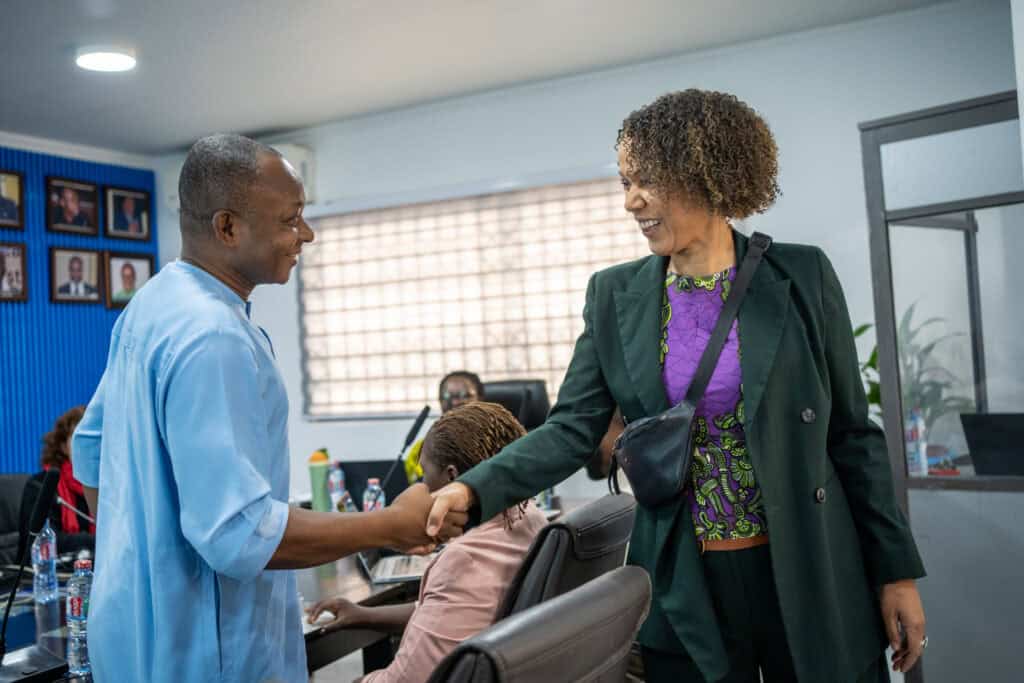
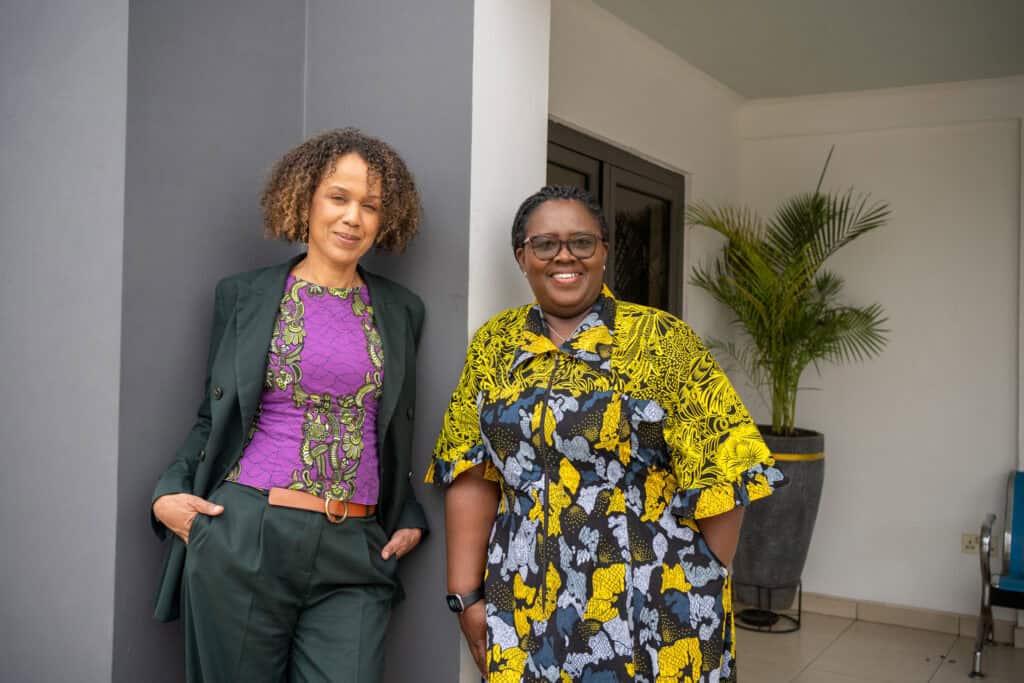
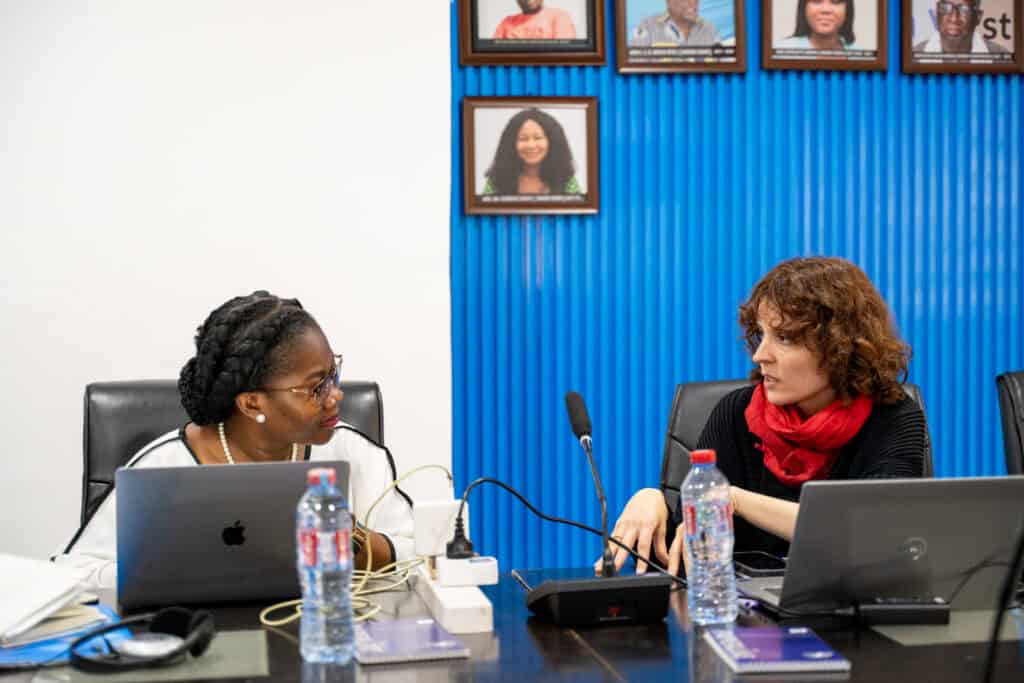
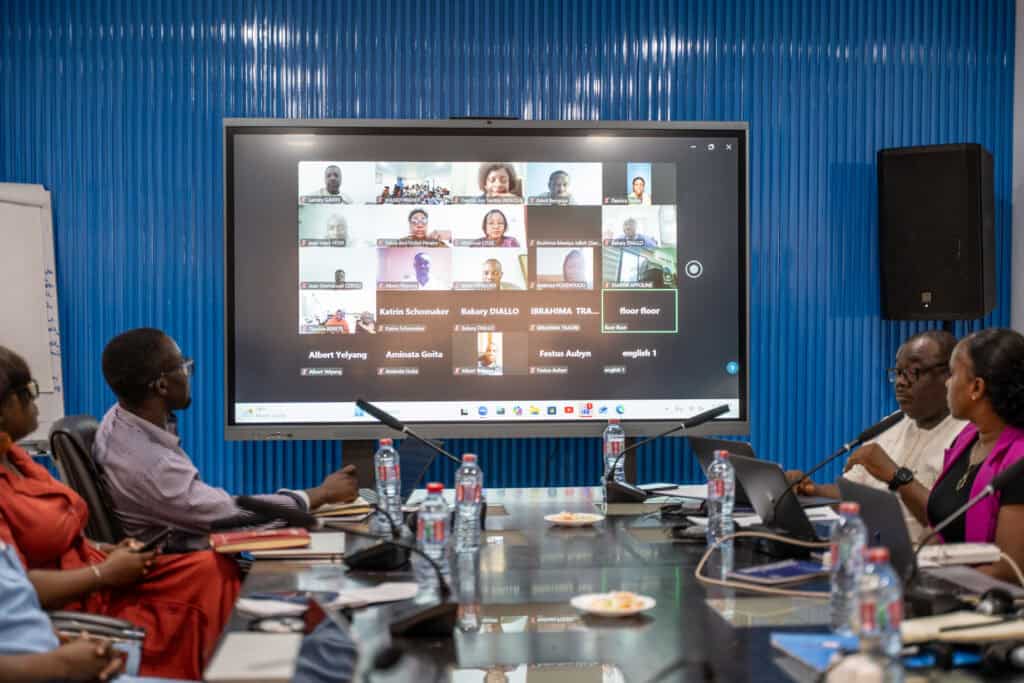
On 14 and 15 July 2026, representatives of the Working Group on Peace and Development (FriEnt) and the West Africa Network for Peacebuilding (WANEP) met in Accra, Ghana, for a joint workshop that marked the next step in their growing partnership, established in 2025.
Strengthening Partnerships for Peace Beyond 2030
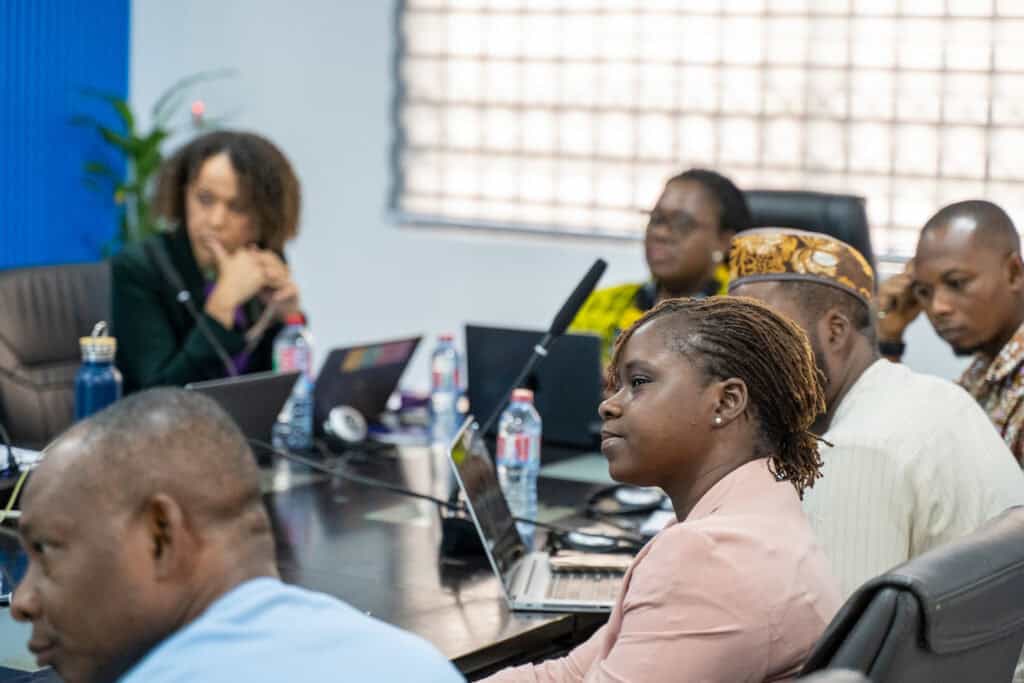
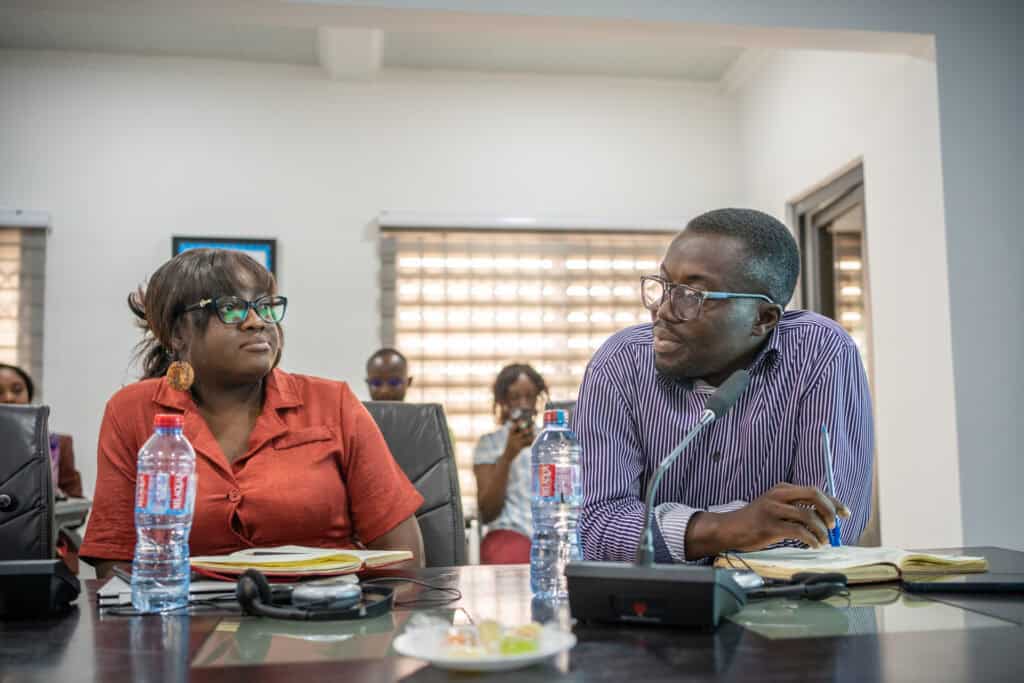
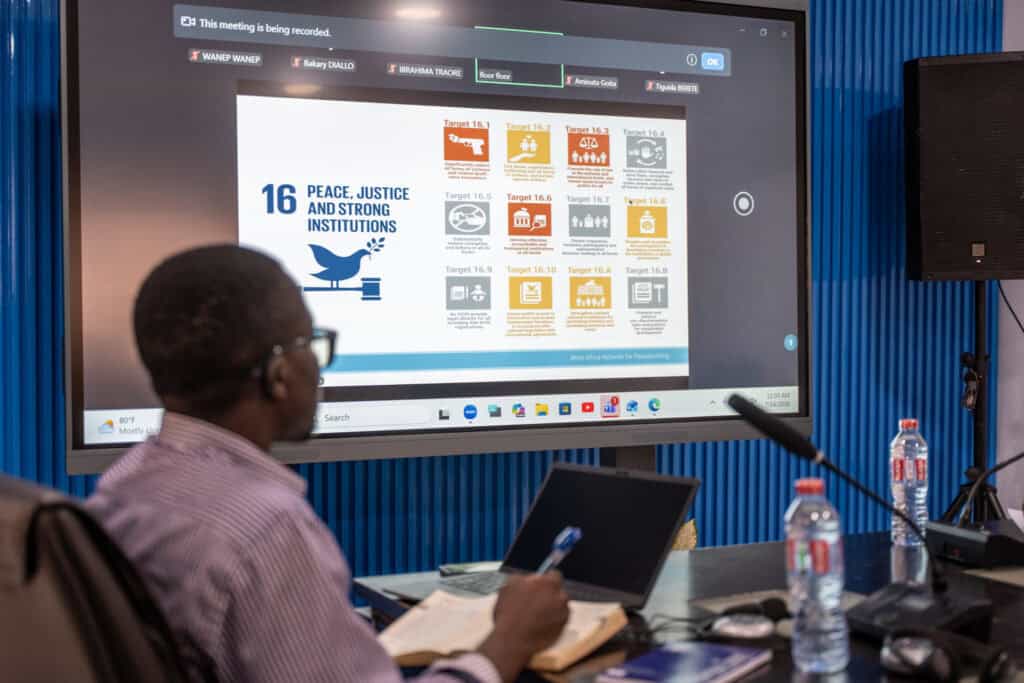
The workshop brought together over 40 peacebuilding practitioners and partners from the region to exchange experiences and explore how stronger collaboration can contribute to peaceful, just, and inclusive societies in West Africa. Discussions focused on shaping the global development agenda beyond 2030, advancing SDG 16+, and strengthening the links between peacebuilding, development, and the Women, Peace and Security (WPS) and Youth, Peace and Security (YPS) agendas.
Participants deliberated on current challenges facing the peacebuilding sector including a lack of accountability and trust in leadership as well as shrinking funding and civic space, while identifying opportunities to promote governance, inclusion and access to justice in the region. The discussion reflected the changing context of the debate on a global agenda beyond 2030: regional development agendas, such as the ECOWAS Vision 2050 and the AU’s Agenda 2063 extend well beyond the 2030 deadline and remain relevant with or without a global agenda, and new power dynamics are at play. The workshop also served as an opportunity to prepare a joint session for the FriEnt Peacebuilding Forum 2026, bringing perspectives from West Africa into the global conversation on the future of peacebuilding and exploring ways to reframe the debate.
Local Leadership and Inclusive Peacebuilding
At the opening of the meeting, Levinia Addae-Mensah, Executive Director of WANEP, highlighted the importance of local leadership and inclusive cooperation: “Beyond 2030, it is not only about what we do, but about the architecture we put in place to enable better partnerships and greater convergence. Lasting peace requires stronger recognition of local agency and leadership, learning from communities and ensuring that diverse voices – including youth and women – shape broader peace processes.”
Nana Odoi, Managing Director of FriEnt, reflected on the increasingly difficult environment for peacebuilding: “We meet at difficult times. Funding for peacebuilding and civil society is shrinking, and the conditions in which we operate are becoming increasingly challenging. That is why we are here in Ghana: to contribute to the debate on building peace beyond 2030, with a focus on SDG 16, and to listen and learn from peacebuilding perspectives across West Africa.”
The discussions in Accra reaffirmed the value of international partnerships that enable mutual learning, strengthen regional and global connections, and amplify diverse peacebuilding perspectives. As the workshop concluded, participants looked ahead to continued collaboration and joint efforts to advance inclusive and sustainable peace beyond 2030.
More information:
